

Few things you need to know about COBOL-arrays. Arrays have multiple benefits. While reading an i/p file, in batch process, the only way you can store data internally is in arrays. So, the data can be used for processing within the program.
COBOL Arrays
Important points are:
Point1:
01 Array-example
02 Table-1 occurs n times
03 Field-1 pic x(2)
03 Field-2 pic x(3)
Here the ‘n’ times is any value from ‘1’ to ‘32767’
Point 2:
We know arrays are fixed length, variable length. While working with DB2, the array must handle BLOB and CLOB (Binary large object and Char Large object)
You can see the syntax from IBM site here.
LATEST POSTS

AWS Glue Crawler Issue with Dynamic S3 Folder Paths? Here’s the Complete Fix
Learn how to fix AWS Glue crawler issues when S3 paths contain dynamically changing folders like hash values or UUIDs. Step-by-step beginner-friendly guide.

How to Create a Generic Stored Procedure for KPI Calculation (SQL + AWS Lambda)
In modern data engineering, building scalable and reusable systems is essential. Writing separate SQL queries for every KPI quickly becomes messy and hard to maintain. A better approach?👉 Use a Generic Stored Procedure powered by Dynamic SQL, and trigger it using AWS Lambda. In this blog, you’ll learn: What is a Generic Stored Procedure? A…

Unlocking the Power of Databricks Genie: A Comprehensive Guide
Databricks Genie is a collaborative data engineering tool built on the Databricks Unified Analytics Platform, enhancing data analytics for businesses. Key features include collaborative workspaces, efficient data processing with Apache Spark, built-in machine learning capabilities, robust data visualization, seamless integration, and strong security measures, fostering informed decision-making.
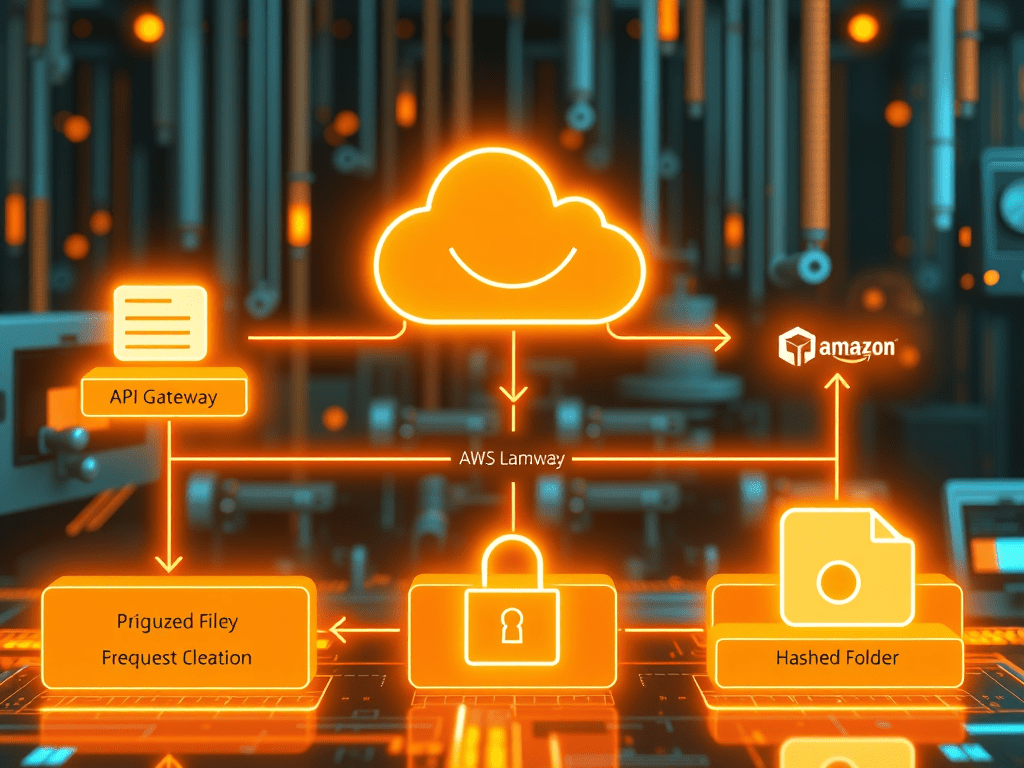
Secure S3 File Upload Using API Gateway, Lambda & PostgreSQL (Complete AWS Architecture Guide
Modern applications often allow users to upload files—documents, invoices, images, or datasets. But a production-grade upload pipeline must be secure, scalable, and well-organized. In this article, we will build a complete end-to-end architecture where: We will implement this using Amazon API Gateway, AWS Lambda, PostgreSQL, and Amazon S3. This architecture is widely used in cloud-native…
Something went wrong. Please refresh the page and/or try again.


 Srinimf
One response
[…] Related: COBOL – 2 things you may not known about Arrays […]
LikeLike