

A queue manager is that part of an MQSeries product that provides the messaging and queuing services to application programs, through the Message Queue Interface (MQI) program calls.
It controls access to queues and serves as transaction (sync point) coordinator for all queue operations. You can read Part-1 tutorial here.
Dynamic Queues
- Dynamic Queue- Such a queue is defined “on the fly” when the application needs it.
- Dynamic queues may be retained by the queue manager or automatically deleted when the application program ends.
- Dynamic queues can be temporary queues that do not survive queue manager restarts. Permanent queues that do survive queue manager restarts.
Synchronous and Asynchronous Messaging:
- In synchronous messaging sending application waits for the reply before it resumes.
- No wait is the rule in the case of Asynchronous messaging.
Read more
-

How to Create a Generic Stored Procedure for KPI Calculation (SQL + AWS Lambda)
In modern data engineering, building scalable and reusable systems is essential. Writing separate SQL queries for every KPI quickly becomes messy and hard to maintain. A better approach?👉 Use a Generic Stored Procedure powered by Dynamic SQL, and trigger it using AWS Lambda. In this blog, you’ll learn: What is a Generic Stored Procedure? A…
-

Unlocking the Power of Databricks Genie: A Comprehensive Guide
Databricks Genie is a collaborative data engineering tool built on the Databricks Unified Analytics Platform, enhancing data analytics for businesses. Key features include collaborative workspaces, efficient data processing with Apache Spark, built-in machine learning capabilities, robust data visualization, seamless integration, and strong security measures, fostering informed decision-making.
-
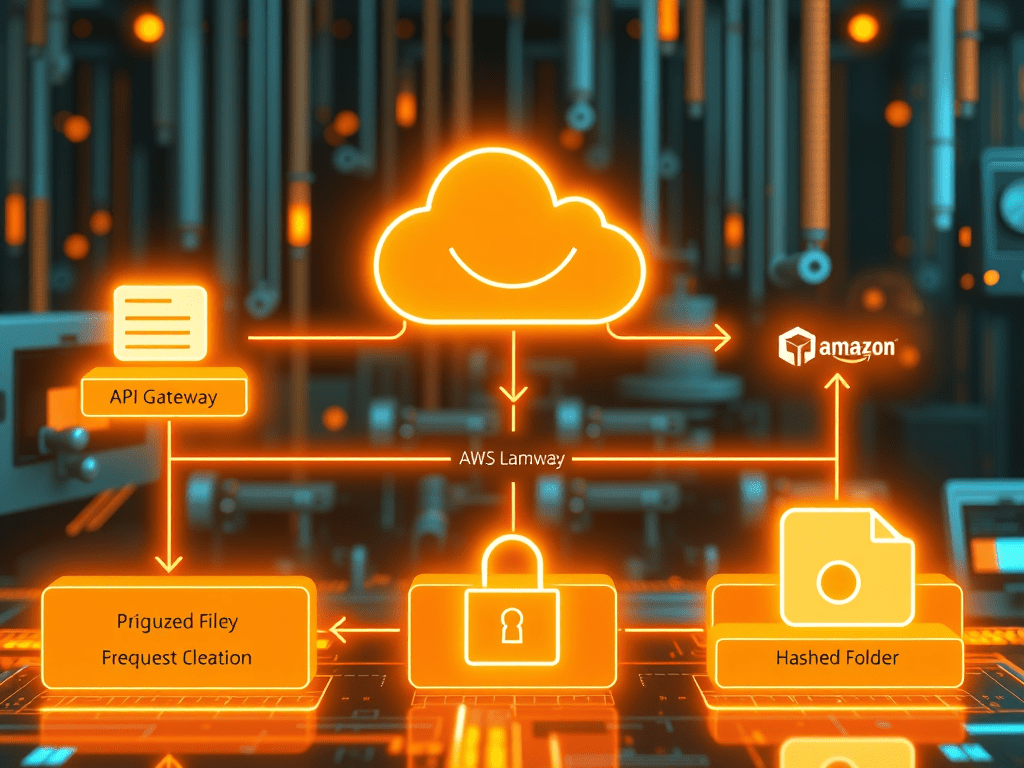
Secure S3 File Upload Using API Gateway, Lambda & PostgreSQL (Complete AWS Architecture Guide
Modern applications often allow users to upload files—documents, invoices, images, or datasets. But a production-grade upload pipeline must be secure, scalable, and well-organized. In this article, we will build a complete end-to-end architecture where: We will implement this using Amazon API Gateway, AWS Lambda, PostgreSQL, and Amazon S3. This architecture is widely used in cloud-native…




 Srinimf