
What is DB2 PLAN, and why do we need it? Below, you will find detailed answers. These are helpful for your interviews.
DB2 PLAN Interview Questions
PLAN – Is an executable DB2 object. A DBRM you can bind directly to a PLAN or a PACKAGE you can bind it to a plan. In the BIND cards, you need to give PLAN name and PACKAGE name.
You can check PLAN details in SYSPLAN catalog table.
PACKAGE – It is basically a DB2 object. All the similar DBRMs, we can keep in a PACKAGE. It is itself is not executable.
You can check PACKAGE details in SYSPACKAGE catalog table.
COLLECTION – It is again DB2 object, during BIND, you need to give PACKAGE and COLLECTION id details.
You can check all the details in SYSCOLLECTIONS catalog table.
DBRM – This is load of DB2 code. This will be generated during pre-compilation. There will be one DBRM for each program.
VERSIONS – It is a concept for PACKAGE versions. You may keep different versions of a packages. Since, each update in PACKAGE will put different version and keep old version of PACKAGE. In the production, it is always useful keeping old version as backup.
Also read: 32 complex SQL interview questions
LATEST POSTS

Unlocking the Power of Databricks Genie: A Comprehensive Guide
Databricks Genie is a collaborative data engineering tool built on the Databricks Unified Analytics Platform, enhancing data analytics for businesses. Key features include collaborative workspaces, efficient data processing with Apache Spark, built-in machine learning capabilities, robust data visualization, seamless integration, and strong security measures, fostering informed decision-making.
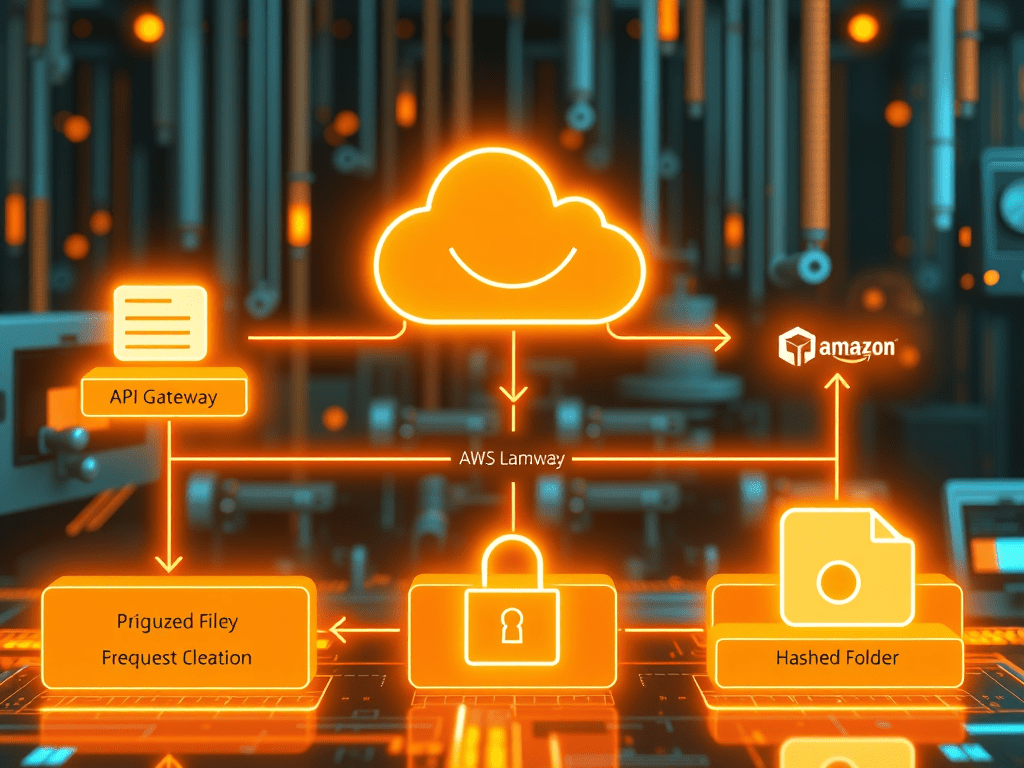
Secure S3 File Upload Using API Gateway, Lambda & PostgreSQL (Complete AWS Architecture Guide
Modern applications often allow users to upload files—documents, invoices, images, or datasets. But a production-grade upload pipeline must be secure, scalable, and well-organized. In this article, we will build a complete end-to-end architecture where: We will implement this using Amazon API Gateway, AWS Lambda, PostgreSQL, and Amazon S3. This architecture is widely used in cloud-native…

AI Agents in Data Engineering: Everything You Need to Know
AI agents are revolutionizing data engineering by automating tasks such as monitoring pipelines, generating SQL queries, and ensuring data quality. They enhance productivity, speed up troubleshooting, and improve data accessibility for users. While offering significant advantages, AI agents also face challenges in security, accuracy, and integration with existing systems.

The End-to-End AI Stack – A Real Guide for Developers to Code, Create, and Execute
Artificial Intelligence tools are on the rise, from writing assistants to coding helpers and automation platforms. However, many professionals struggle to compare these tools effectively. This is where the AI Stack becomes important. Modern AI tools like ChatGPT, NotebookLM, and Antigravity serve different purposes, and understanding their roles helps in: Layer 1: Conversational AI (Thinking…
Something went wrong. Please refresh the page and/or try again.





 Srinimf