

Linux is popular among open source community. That to you can install open source on Linux. These features help you to know about Linux Operating system.
1# Linux Kernel
The kernel allocates memory and CPU time, and it also controls access to disk and network hardware. In addition this pdf helps you to know Linux file system.
Embedded Operating System
Android is the embedded Linux Operating system. The others Like CentOs, Fedora, Debian. These run on Servers, Desktops and Laptops.
Android you can use in any small device. So Android is Linux Embedded OS.
2#. Licencing
The open source definition specifies that users should be able to distribute changes, but it doesn’t require that users distribute the software under the terms of the same license.

LINUX
3# Multi Tasking
Linux’s multitasking is preemptive, meaning that the kernel can give CPU time to any process as it sees fit, potentially interrupting (or preempting) other processes.
4#. Networking
If you want to enable one Linux computer to access files stored on another Linux computer’s hard disk – the best protocol is NFS.
5#. Language
Top language in which most of the Linux kernels written is C.
6#. Managing Linux Applications
You can install and run different Linux applications by using Package management system.
7#. Locate Command
The purpose of locate command is it searches a file name from all the directories.
8#. Availability
Linux servers are more popular that they available for continuous processing.
9#. Commands
- Diff – This commands is useful to compare two files.
- Comp – This command also you can use to compare two files.
- Nice – This command you can use to change the priority of a given process.
- Rmdir – You can use to remove a directory.
Related Posts
LATEST POSTS

How to Create a Generic Stored Procedure for KPI Calculation (SQL + AWS Lambda)
In modern data engineering, building scalable and reusable systems is essential. Writing separate SQL queries for every KPI quickly becomes messy and hard to maintain. A better approach?👉 Use a Generic Stored Procedure powered by Dynamic SQL, and trigger it using AWS Lambda. In this blog, you’ll learn: What is a Generic Stored Procedure? A…

Unlocking the Power of Databricks Genie: A Comprehensive Guide
Databricks Genie is a collaborative data engineering tool built on the Databricks Unified Analytics Platform, enhancing data analytics for businesses. Key features include collaborative workspaces, efficient data processing with Apache Spark, built-in machine learning capabilities, robust data visualization, seamless integration, and strong security measures, fostering informed decision-making.
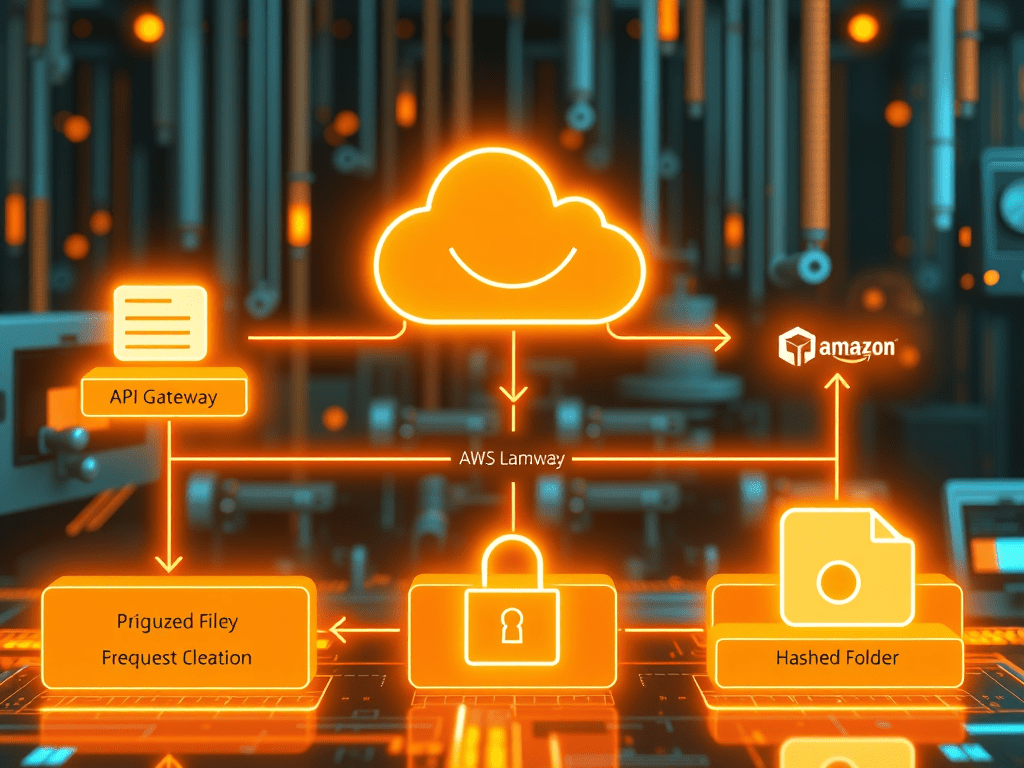
Secure S3 File Upload Using API Gateway, Lambda & PostgreSQL (Complete AWS Architecture Guide
Modern applications often allow users to upload files—documents, invoices, images, or datasets. But a production-grade upload pipeline must be secure, scalable, and well-organized. In this article, we will build a complete end-to-end architecture where: We will implement this using Amazon API Gateway, AWS Lambda, PostgreSQL, and Amazon S3. This architecture is widely used in cloud-native…

AI Agents in Data Engineering: Everything You Need to Know
AI agents are revolutionizing data engineering by automating tasks such as monitoring pipelines, generating SQL queries, and ensuring data quality. They enhance productivity, speed up troubleshooting, and improve data accessibility for users. While offering significant advantages, AI agents also face challenges in security, accuracy, and integration with existing systems.

The End-to-End AI Stack – A Real Guide for Developers to Code, Create, and Execute
Artificial Intelligence tools are on the rise, from writing assistants to coding helpers and automation platforms. However, many professionals struggle to compare these tools effectively. This is where the AI Stack becomes important. Modern AI tools like ChatGPT, NotebookLM, and Antigravity serve different purposes, and understanding their roles helps in: Layer 1: Conversational AI (Thinking…

10 Workplace Communication Speaking Exercises to Improve Fluency at Work
Strong workplace communication is one of the most valuable professional skills today.Whether you’re giving project updates, speaking to clients, or collaborating with teams — the ability to speak clearly and confidently can set you apart. However, many professionals struggle with: One of the best ways to improve is through chunking and pausing. Chunking helps you:✔…
Something went wrong. Please refresh the page and/or try again.




 Srinimf
You must be logged in to post a comment.