

Here are the areas you need to focus on while writing the COBOL VSAM program.
Select statement
SELECT FILE1     ASSIGN TO FILE1
                 ORGANIZATION IS INDEXED/RELATIVE
                 ACCESS MODE IS SEQUENTIAL/RANDOM/DYNAMIC
                 RECORD KEY IS MY-KEY/RELATIVE KEY IS MY_KEY
                 FILE STATUS IS FILE-STATUS.
File description
FD file-name
      [BLOCK CONTAINS integer-1 RECORDS]
      [RECORD CONTAINS integer-2 CHARACTERS].
Open, Reading, writing
#To open the file
OPEN INPUT/OUTPUT/I-O/EXTEND FILE1.

#Sequential read till end of the file
READ file-name INTO data-name
    [AT END imperative-statement-1]
    [NOT AT END imperative-statement-2]
END-READ.

#To read random record from input file
MOVE 'ABCD'    TO MY-KEY.
READ file-name INTO data-name
    [INVALID KEY imperative-statement-1]
    [NOT INVALID KEY imperative-statement-2]
END-READ.

# To write a sequential record
WRITE record-name FROM data-name
END-WRITE.

# To write a random record
WRITE record-name FROM data-name
    [INVALID KEY imperative-statement-1]
    [NOT INVALID KEY imperative-statement-2]
END-WRITE.
Start Statement
START FILE1 KEY IS MY_KEY.
Closing files
CLOSE FILE-NAME.
Errors

More Srinimf
-

How to Create a Generic Stored Procedure for KPI Calculation (SQL + AWS Lambda)
In modern data engineering, building scalable and reusable systems is essential. Writing separate SQL queries for every KPI quickly becomes messy and hard to maintain. A better approach?👉 Use a Generic Stored Procedure powered by Dynamic SQL, and trigger it using AWS Lambda. In this blog, you’ll learn: What is a Generic Stored Procedure? A…
-

Unlocking the Power of Databricks Genie: A Comprehensive Guide
Databricks Genie is a collaborative data engineering tool built on the Databricks Unified Analytics Platform, enhancing data analytics for businesses. Key features include collaborative workspaces, efficient data processing with Apache Spark, built-in machine learning capabilities, robust data visualization, seamless integration, and strong security measures, fostering informed decision-making.
-
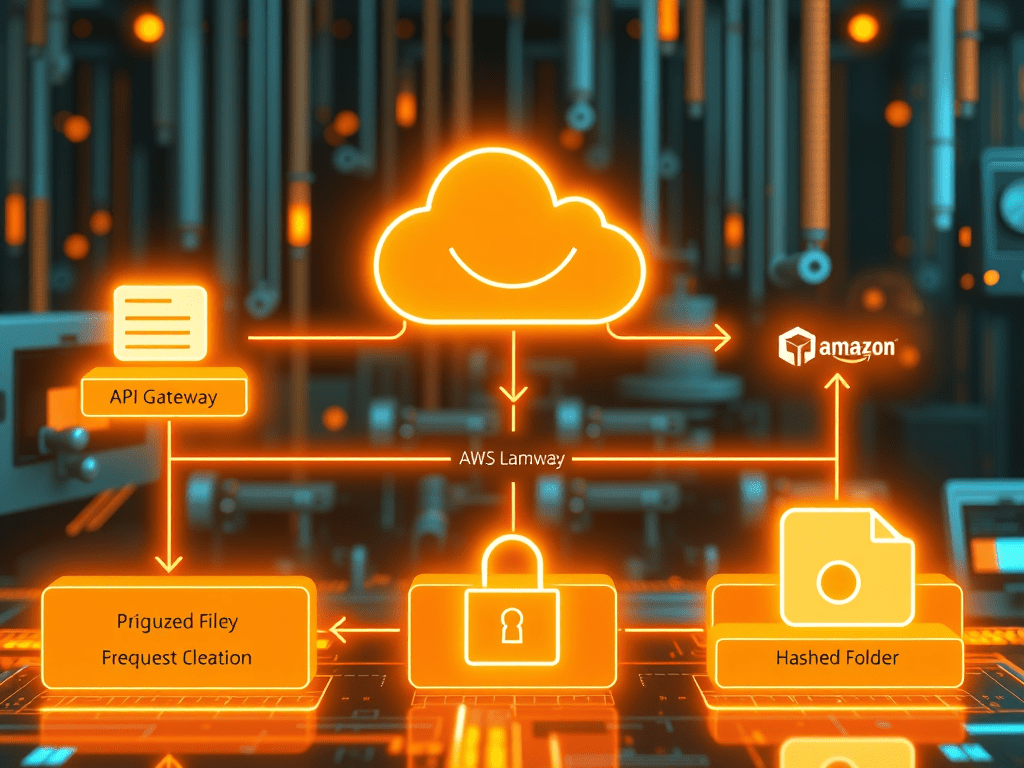
Secure S3 File Upload Using API Gateway, Lambda & PostgreSQL (Complete AWS Architecture Guide
Modern applications often allow users to upload files—documents, invoices, images, or datasets. But a production-grade upload pipeline must be secure, scalable, and well-organized. In this article, we will build a complete end-to-end architecture where: We will implement this using Amazon API Gateway, AWS Lambda, PostgreSQL, and Amazon S3. This architecture is widely used in cloud-native…




 Srinimf
You must be logged in to post a comment.